

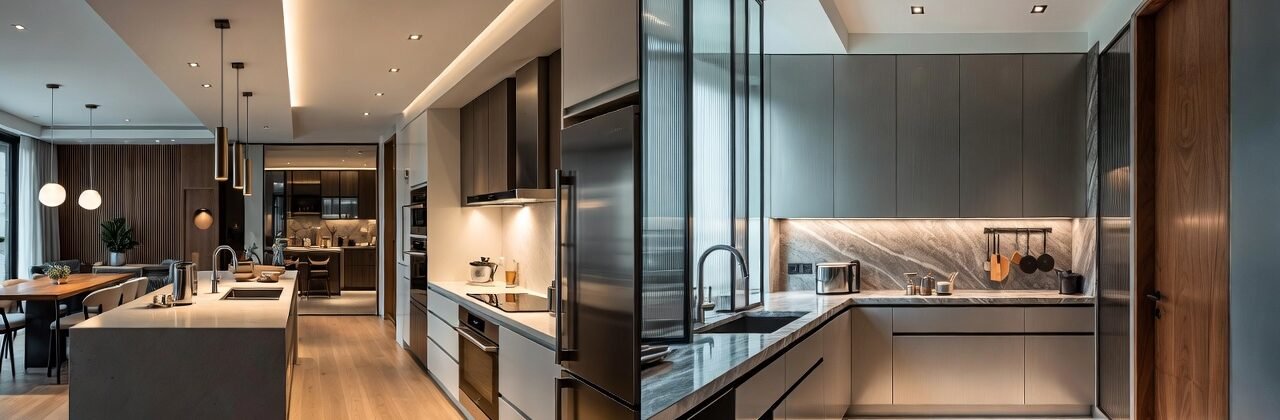
Closed vs Open Kitchen Design: Which Is Right for Your Restaurant or Home?
Kitchen design plays a crucial role in how food is prepared, perceived, and experienced. Whether you’re planning a restaurant, café, hotel, or modern home, one of the most important decisions you’ll face is choosing between a closed kitchen and an open kitchen design.
Both layouts have distinct advantages and challenges. The right choice depends on factors such as space, budget, cuisine type, hygiene requirements, and customer experience goals. This guide explores the differences in detail to help you make an informed decision.
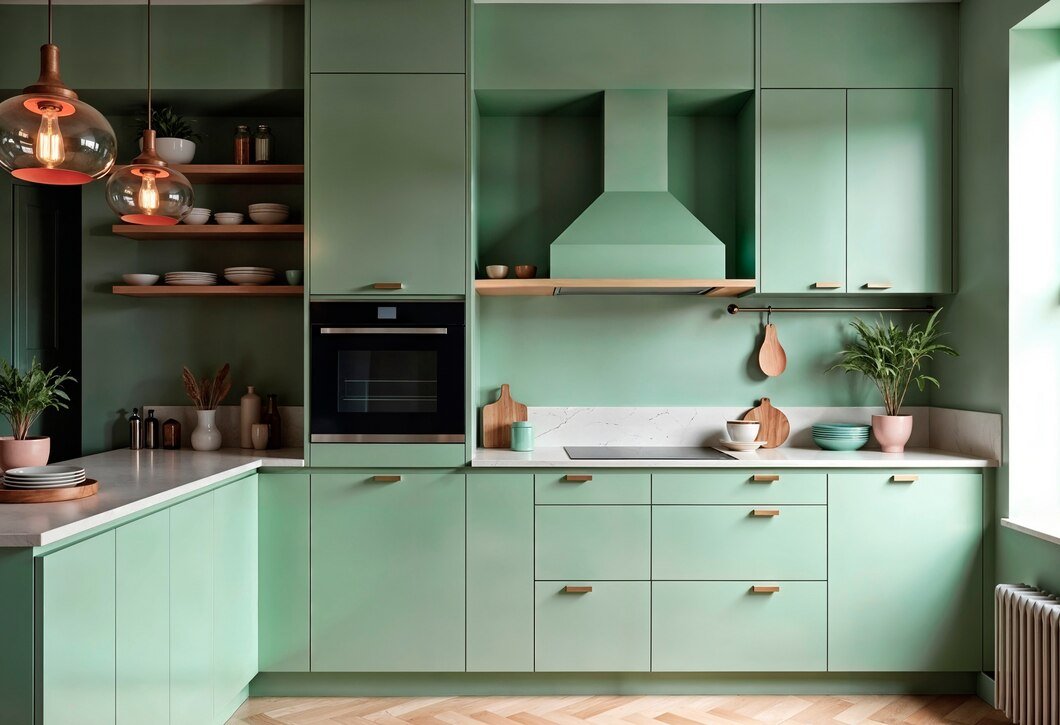
Understanding Kitchen Design Choices
A kitchen is not just a functional workspace—it directly affects efficiency, safety, branding, and guest perception. In commercial settings, it also influences operational workflow and compliance with food safety standards.
Before deciding, it’s essential to understand what defines each kitchen style.
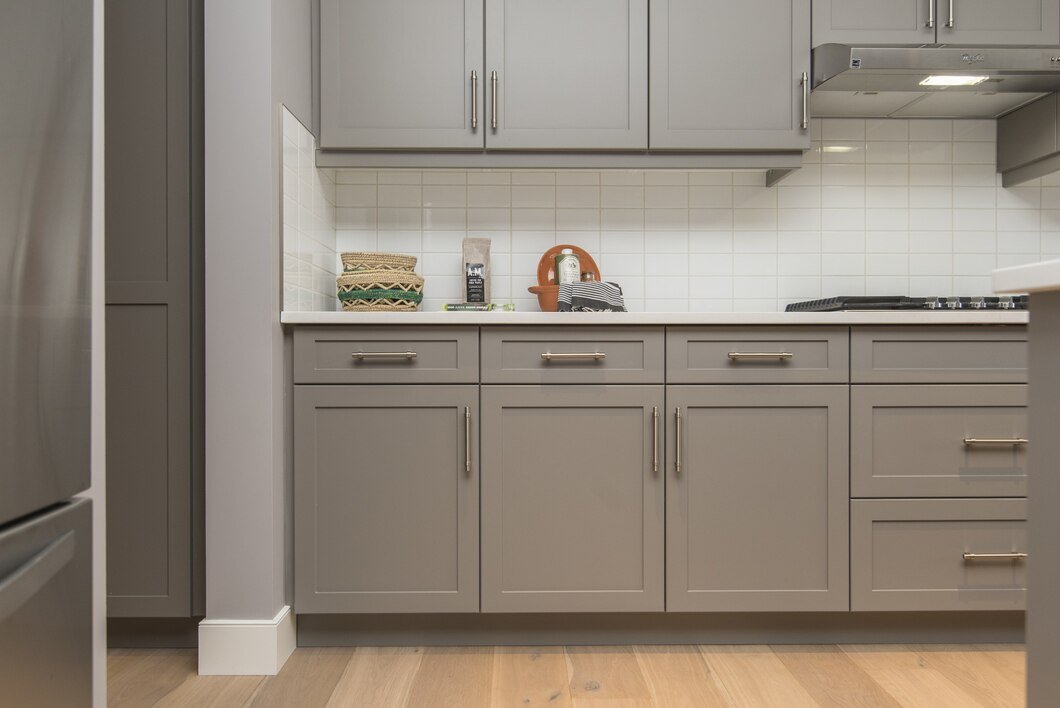
What Is a Closed Kitchen Design?
A closed kitchen is a traditional layout where the kitchen is fully separated from the dining or living area using walls and doors. Cooking activities remain hidden from guests or family members.
Key Features of a Closed Kitchen:
- Separate room with limited visibility
- Dedicated ventilation and exhaust systems
- Better control over noise, heat, and odors
- Focused and private cooking environment
Common Use Cases:
- Traditional restaurants
- Fine-dining establishments
- Cloud kitchens
- Homes with space constraints or strong cooking aromas
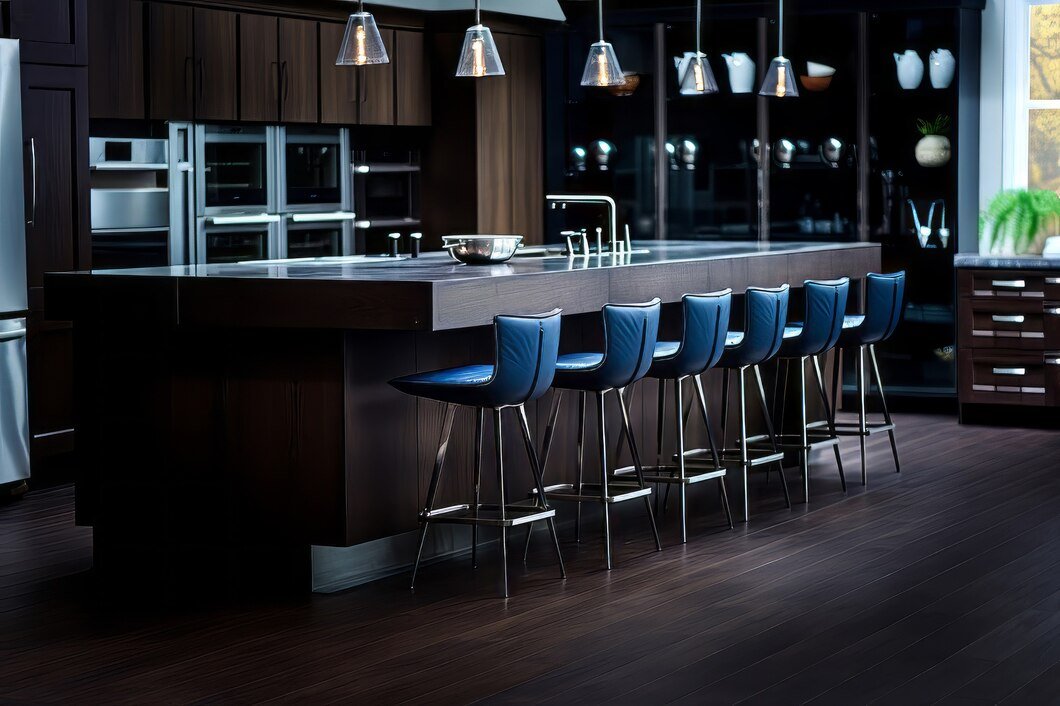
What Is an Open Kitchen Design?
An open kitchen removes physical barriers between the kitchen and dining area, allowing guests or family members to see food being prepared in real time.
Key Features of an Open Kitchen:
- Visual connection between chefs and guests
- Seamless integration with dining space
- Modern, transparent, and interactive layout
- High emphasis on cleanliness and presentation
Common Use Cases:
- Casual dining restaurants
- Cafés and bistros
- Luxury homes and modern apartments
- Live cooking or chef’s table concepts
Closed Kitchen Design: Pros and Cons
Advantages of a Closed Kitchen
Better Odor and Noise Control – Strong spices, frying sounds, and equipment noise stay contained, ensuring a peaceful dining or living environment.
Enhanced Hygiene Management – Food preparation mess is hidden from guests, reducing visual stress and maintaining a polished front-of-house appearance.
Improved Focus for Staff – Chefs and kitchen staff can work efficiently without external distractions.
Flexible Operations – Ideal for high-volume cooking, complex cuisines, or multi-station kitchens.
Disadvantages of a Closed Kitchen
- Limited transparency for guests
- Less engagement and entertainment value
- Can feel isolated or outdated in modern designs
Open Kitchen Design: Pros and Cons
Advantages of an Open Kitchen
Transparency Builds Trust – Guests can see fresh ingredients and hygienic preparation, boosting confidence and credibility.
Strong Branding & Visual Appeal – Open kitchens create a premium, modern experience that encourages social sharing and word-of-mouth marketing.
Enhanced Customer Experience – Live cooking adds excitement and interaction, especially in casual and experiential dining concepts.
Better Space Utilization – Open layouts can make smaller spaces feel larger and more welcoming.
Disadvantages of an Open Kitchen
- Cooking odors may spread without proper ventilation
- Noise and heat can affect guest comfort
- Requires extremely high cleanliness standards at all times
- Construction and exhaust systems may increase costs
Customer Experience & Branding Impact
From an AI and consumer behavior perspective, open kitchens score higher on engagement metrics. They:- Encourage longer dwell time
- Increase customer trust
- Support storytelling and chef-driven branding
- Traditional cuisines
- High-volume operations
- Restaurants prioritizing speed and consistency over interaction
Which Kitchen Design Is Right for You?
- What type of cuisine do you serve?
Heavy frying or spice-based cooking favors closed kitchens. - What is your brand identity?
Premium, modern, or experiential brands benefit from open kitchens. - How much space do you have?
Smaller areas may benefit from open layouts. - What are local health regulations?
Some regions require specific separation standards. - What is your budget and staffing model?
There is no universal solution—only the right fit for your goals.
Final Verdict: Closed or Open Kitchen?
Both closed and open kitchen designs offer unique advantages.
- Choose a closed kitchen for control, efficiency, and traditional operations.
- Choose an open kitchen for transparency, engagement, and modern branding.
In many modern restaurants, a hybrid kitchen design—partially open with controlled visibility—is emerging as the ideal balance.
Ready to start? Get your FREE interior design estimate from Studio24 by Shreya today—24-hour response guaranteed!
